
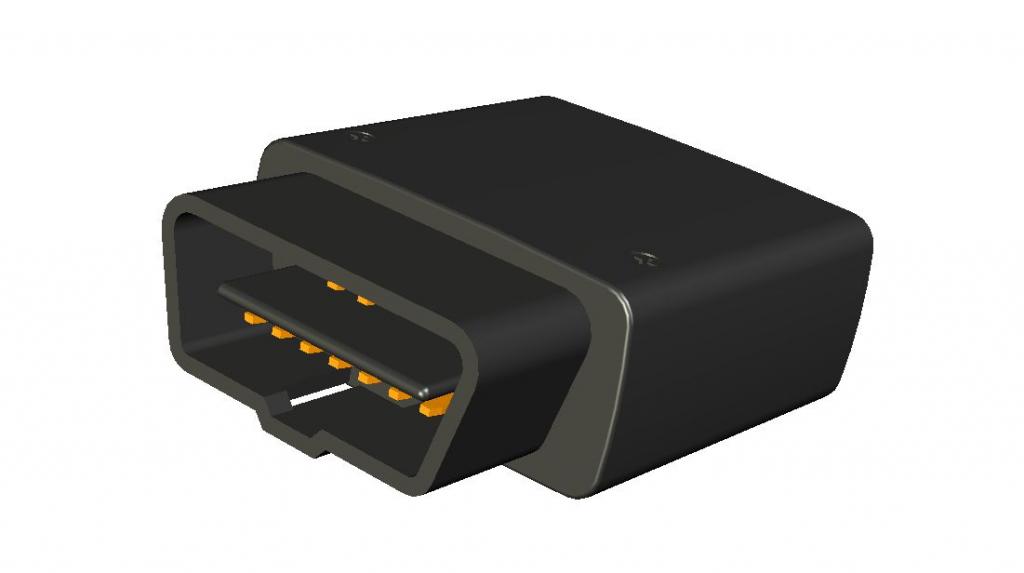


T381 OBDII GPS Tracker — Green-Gps Compatible
The T381 is a plug-and-play OBDII GPS tracker designed for easy integration with Green-Gps. Built around a 4G LTE modem and an internal u‑blox GNSS module, the T381 delivers reliable real-time tracking, vehicle telemetry and integrated anti-theft control through an immobilizer output. Its OBDII and SAE J1939 support lets Green-Gps collect engine parameters and diagnostic trouble codes (DTCs) for fleet management and preventative maintenance.
The device includes a built-in Wi‑Fi hotspot and Wi‑Fi bridging to reduce mobile data usage for connected terminals, plus a compact form factor and internal backup battery for simple installation and uninterrupted reporting. Whether you need fleet management, fuel monitoring or anti-theft immobilization, the T381 is Green-Gps compatible and ready for rapid deployment.
Key Highlights
- Plug-and-play OBDII installer experience for fast vehicle onboarding with Green-Gps.
- Real-time tracking via 4G LTE with fallback to 3G/2G to maintain location and telemetry continuity.
- Full OBDII and SAE J1939 telemetry: RPM, speed, engine coolant temperature, fuel level, fuel consumption and DTCs for fleet diagnostics and fuel monitoring.
- Built-in Wi‑Fi hotspot (up to 10 clients) and Wi‑Fi bridging to reduce cellular data costs for in-cab devices.
- Anti-theft capability with a digital immobilizer (engine cut) output to enable remote immobilization from Green-Gps.
- Advanced motion and driver behavior detection with a 3‑axis accelerometer and event detection for harsh braking, acceleration and cornering.
- FOTA updates over 4G LTE or Wi‑Fi for streamlined remote management and firmware maintenance.
- Works alongside Green-Gps deployments that include Bluetooth sensors — the T381 focuses on OBDII and Wi‑Fi telemetry while Green-Gps can aggregate Bluetooth data from compatible peripherals.
How It Works with Green-Gps
When paired with Green-Gps, the T381 becomes an integrated telematics endpoint that streams location, diagnostics and driver-event data to your Green-Gps dashboard in real time. Installation is straightforward: plug the T381 into the vehicle’s OBDII port and Green-Gps begins receiving OBD parameters and GNSS position reports. Data can be used for live vehicle tracking, automated alerts, and historical reporting.
- Real-time location and telemetry updates from the u‑blox GNSS and OBDII parameters.
- In-time DTC monitoring and OBD II parameter alarms for fast diagnostic workflows.
- Fuel monitoring and fuel consumption data sent to Green-Gps for efficiency reporting and cost control.
- Immobilizer (engine cut) digital output controlled through Green-Gps for anti-theft and secure recovery workflows.
- Driver behavior and safety events (harsh braking, acceleration, cornering) delivered as actionable events for coaching and compliance.
- Wi‑Fi hotspot and Wi‑Fi bridging reduce cellular usage for in-cab tablets and devices while still allowing the T381 to maintain connectivity to Green-Gps.
- FOTA via 4G or Wi‑Fi ensures the tracker firmware stays current and compatible with Green-Gps features and protocols.
Technical Overview
| Connectivity | 4G LTE modem with fallback to 3G/2G; micro USIM slot; Wi‑Fi 802.11 b/g/n hotspot and bridging |
|---|---|
| Bands / Regions | Multi-region variants for Europe, North America and China; falls back to 3G/2G where needed |
| Power & Battery | Internal Li‑Polymer backup battery 3.7 V / 180 mAh; power consumption ~70 mA (hotspot off), ~160 mA (hotspot on), ~10 mA (sleep), max <250 mA |
| Interfaces | Standard OBDII J1962 connector; supports full OBD protocols and SAE J1939; micro USB for configuration/debug; indicator LEDs; I/O: 1 digital output (engine cut), 1 multi-function input |
| GNSS | u‑blox MAX‑7 GPS + GLONASS module, 16 channels; cold start ~35 s, hot start ~1 s; sensitivity to −159 dBm; horizontal accuracy ~2.0–2.5 m; 25×25 mm active ceramic antenna |
| Bluetooth | No built-in Bluetooth (focus on OBDII and Wi‑Fi telemetry) |
| Remote Management | FOTA via 4G LTE or Wi‑Fi; auto APN and automatic time zone identification |
| Form Factor | Compact plug-and-play OBDII unit; dimensions 50×50×23 mm (excluding J1962 connector); weight ≈60 g |
Use Cases
- Fleet management: live GPS tracker and OBD telemetry for routing, utilization, maintenance planning and driver scoring.
- Anti-theft and immobilization: remote engine cut control plus location reporting for vehicle recovery and security workflows.
- Fuel monitoring & telemetry: continuous fuel level and consumption data to reduce waste and improve efficiency.
- Rental, insurance and vehicle profiling: in-time DTCs and driving behavior events for usage-based services and claims investigation.
- Roadside assistance and diagnostics: immediate access to engine trouble codes and vehicle status for faster service dispatch.
Why Choose This Tracker with Green-Gps
The T381 delivers a compact, OBDII-based GPS tracker that plugs into the vehicle and immediately extends Green-Gps with engine-level telemetry and accurate GNSS positioning. Its combination of 4G connectivity, Wi‑Fi hotspot/bridging and FOTA provides operational flexibility: devices stay updated, in-cab terminals can conserve mobile data, and fleet telemetry continues even in marginal cellular conditions. For operators focused on real-time tracking, fuel monitoring, anti-theft immobilization and driver behavior insights, the T381 offers a practical, Green-Gps compatible solution that balances performance and ease of deployment.
Set Up T381
Use with a tracker
-
Set the Operator APN
CountryCarrierAPNUserPassword
- Check your tracker clock setup is set UTC-0 or GMT. (The most trackers come from the factory on UTC.)
- For most devices you should use IMEI (International Mobile Equipment Identity) number as unique identifier. However, some devices have vendor specific unique identifier, for example TK-103 devices use 11-digit identifier.
-
Set Up the IP and port on your tracker: (automatic detect tracker's protocol.)
IP 54.85.159.138 Port 8888 - Add on your Account on devices with the IMEI or unique ID.